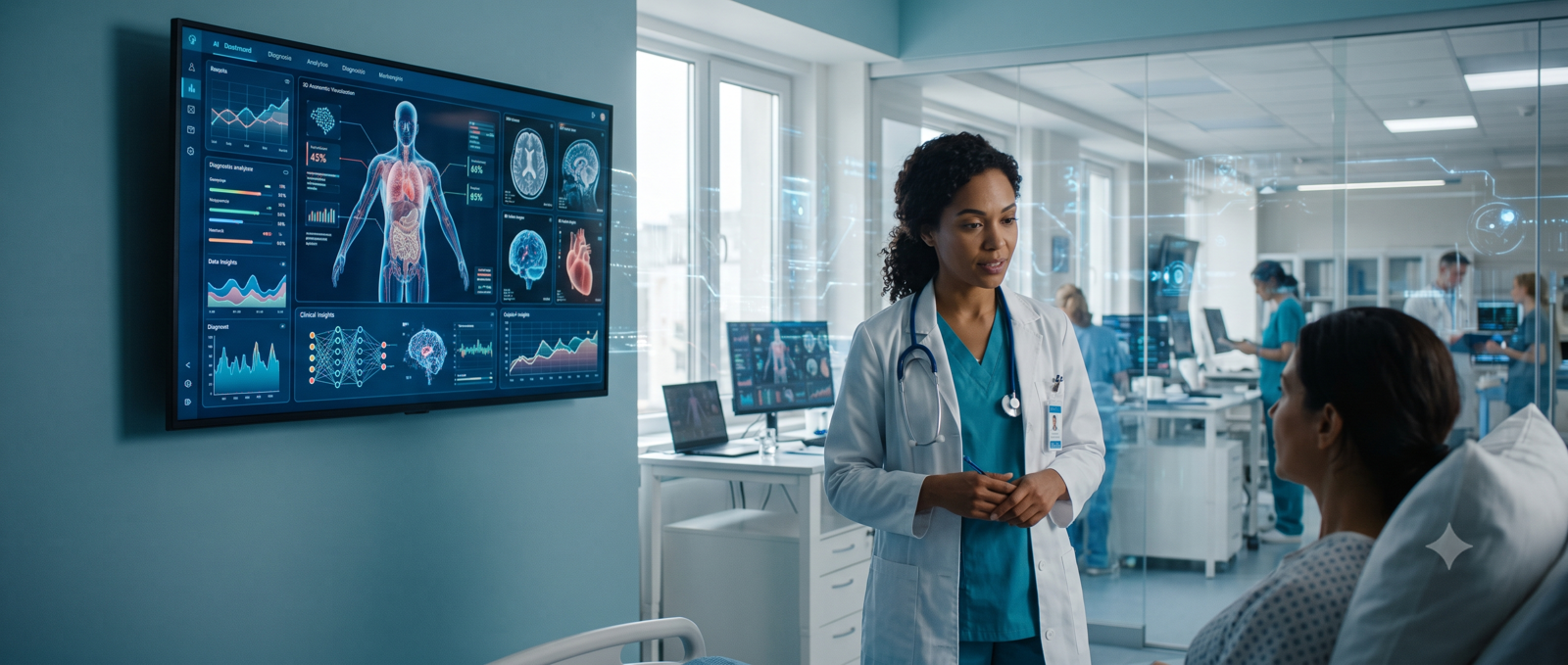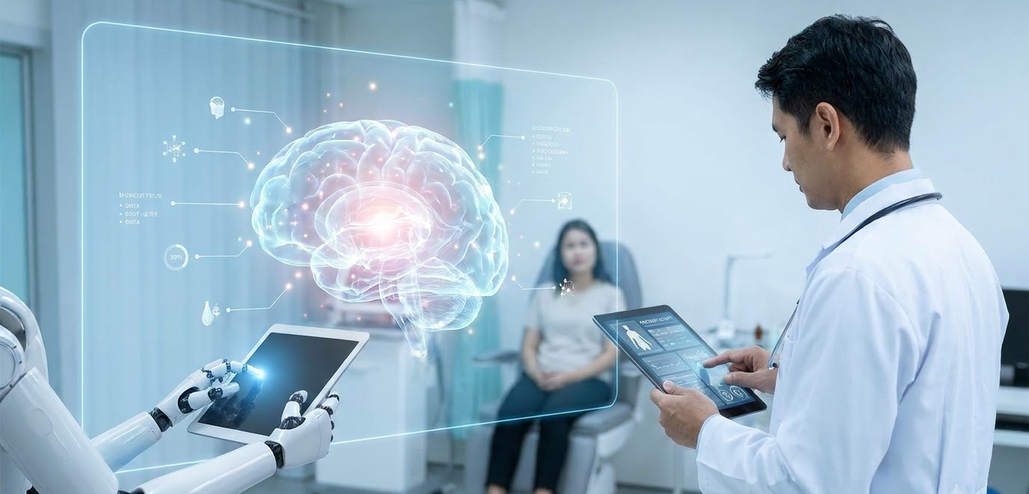
Hospitals sticking with classic methods are getting rarer and smaller. For over a century, healthcare just reacted; patients got sick, struggled to book appointments, and sat in crowded rooms waiting for quick checkups. By 2026, this model has changed a lot.
Remote monitoring, advanced biometrics, and simple lab tests are pushing care out of hospitals and into everyday life for both urgent and preventive needs. The study looks at the clinical basis, operational advantages, and wider economic impact of this new, proactive healthcare approach.
Virtual Wards: Deep Clinical Infrastructure & Outcomes
“Hospital-at-Home” moved from small pilots into regular care faster because hospitals ran out of beds, and dealing with the disease got complicated. A virtual ward isn't just a video check-in; it's a continuous care pipeline built for managing acute and sub-acute medical needs.
Physiological Telemetry & Edge Alerts
Continuous Remote Patient Monitoring (RPM) forms the core foundation of a virtual ward's construction. For those in high-risk groups - particularly people living with Class III/IV heart failure, flare-ups of chronic obstructive pulmonary disease (COPD), or unstable type 2 diabetes - a set of cellular-enabled peripheral devices is provided for use. Every one of these devices arrives fully pre-configured, so the patient is never asked to pair anything over local Wi-Fi or to possess any technical skill whatsoever.
- Continuous Hemodynamic Monitoring: By means of cellular blood pressure sleeves and multi-wavelength photoplethysmography (PPG), cardiac output, vascular compliance, and real-time pulse wave velocity are all tracked.
- Automated Biomarker Alerts: Raw telemetry is carried by data pipelines directly into a clinical decision support system (CDSS) that is hosted in the cloud. Whenever algorithms detect subtle changes across multiple variables - for instance, a 1.5kg weight spike occurring at the same time as a 3% drop in peripheral oxygen saturation (SpO2) - automated alerts promptly escalate the patient file to an on-call clinical nurse specialist.
Clinical Metrics & Statistical Efficacy
Data sets used for validation on a large scale show that when these automated interventions are applied early, they bring about drastic changes in the trajectories that patients follow. When the results of studies conducted across aggregated health systems are examined, virtual wards are shown to produce a reduction of 22% to 27% in all-cause hospital readmissions within 30 days. In addition, patients who receive care at home under a clinical protocol that is identical experience a 70% decrease in hospital-acquired delirium along with a virtually zero risk of nosocomial MRSA infections, and this improvement accelerates their complete functional recovery.
Next-Generation Wearables: Passive Biomarkers and Longitudinal Data
In the past, clinical data collection was done entirely on an episodic basis. A physician would base important therapeutic changes on a single blood pressure reading or an isolated laboratory value gathered during a highly stressful, 15-minute annual physical examination. Medical-grade wearables have brought about the era of continuous, high-fidelity monitoring.
The Metabolic and Cardiovascular Vanguard
Modern wearable sensors have moved well past basic step counting and now offer in-depth, multi-system biometric profiling.
- Advanced Smart Rings: Using ultra-low-power optical arrays, these sub-gram devices continuously track sleep architecture, overnight heart rate variability (HRV), and precise micro-fluctuations in peripheral skin temperature, uncovering autonomic nervous system strain as much as 48 hours before clinical illness appears.
- Continuous Glucose and Metabolic Trackers: By sampling interstitial fluid through minimally invasive enzymatic sensors, modern tracking extends beyond diabetic monitoring to chart systemic glycemic variability, metabolic flexibility, and postprandial inflammatory responses in real time.
- Exhaled Breath Volatile Organic Compounds (VOCs): New handheld breath micro-analysers rely on gold-nanoparticle sensors to isolate more than 300 distinct trace compounds, mapping cellular metabolism and screening for early markers of pulmonary carcinomas and severe gastrointestinal dysbiosis from a single exhaled breath.
Decentralised Diagnostics: Eliminating the Friction of Phlebotomy
For a long time, traditional laboratory diagnostics have functioned as a major bottleneck in operations. The logistical strain of arranging transport, losing time from work, and enduring the physical anxiety of conventional venous phlebotomy leads to a substantial dropout rate in routine clinical compliance.
Capillary Micro-Needle Arrays
New developments have made painless, high-volume capillary fluid harvesting possible and have transformed consumer diagnostics. These compact, disposable, push-button modules rest firmly against the deltoid muscle. Using a tiny array of extremely thin structural micro-needles, the device starts a vacuum-assisted extraction of capillary blood from the superficial dermal layers. The procedure avoids deep pain-receptor nerves, so the patient barely feels it.
Seamless Closed-Loop Telemedicine Integration
The diagnostic workflow is fully automated by means of end-to-end cloud platforms. Patients request the targeted panel through their primary health portal, perform the self-contained collection at home, and send the stable sample back using a pre-paid overnight courier. At a certified laboratory, the sample is analysed with automated high-throughput assays, and digital results are entered directly into the patient's electronic health record (EHR) within 24 to 48 hours. This allows for seamless virtual consultations with immediate clinical recourse.
Comparative Operational Landscape
| Metric | Traditional Reactive Care | Decentralised Digital Care |
| Care Setting | Physical Hospital Ward/Clinic | Continuous Home Environment |
| Data Fidelity | Episodic, Static Snapshots | Continuous, Longitudinal Telemetry |
| 30 Day Readmission | Baseline Standard (High) | Reduced by 22% - 27% on average |
| Patient Compliance | Low due to systemic friction | Significantly higher via passive tracking |
Macroeconomic and Structural Implications
The long-term effects of this healthcare pivot are essentially economic in nature. Healthcare systems can free up significant capital reserves by turning unused hospital beds into specialised intensive care spaces and safely moving subacute caseloads to residential settings. Crucially, the gathering of high-density longitudinal data moves the emphasis away from managing clinical crises in emergency settings toward algorithmic, preventative course correction.
By building integrated digital ecosystems that smoothly link continuous telemetry, real-time wearable monitoring, and easy at-home diagnostics, healthcare systems are at last delivering on their core mandate: keeping communities healthier, reducing overall healthcare costs, and keeping patients out of the hospital.